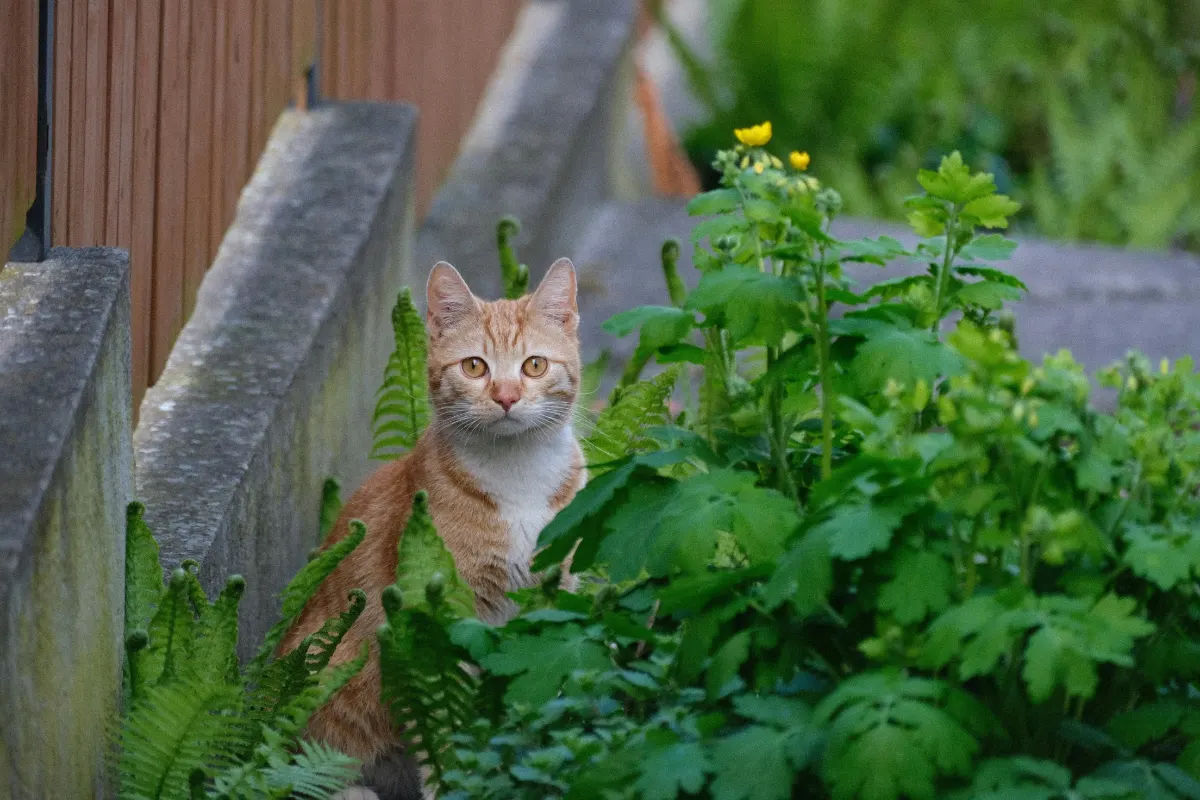
Why Cats Choose Your Garden in the First Place
If you are trying to work out how to stop cats from pooping in the garden, the first thing to understand is that cats are not usually being difficult on purpose. They are following normal feline habits. Many cats prefer soft, loose, freshly turned soil because it is easy to dig, use and cover afterwards. Vegetable beds, seedling rows, bare flower borders, sandpits and freshly mulched areas can all look like an outdoor litter tray from a cat’s point of view. SPCA New Zealand also notes that free-roaming cats are common in New Zealand, although roaming can expose cats to risks such as traffic, disease, wildlife predation and becoming a community nuisance.
The most effective solution is rarely one single trick. A humane garden plan works by combining several small changes: identifying the cat, removing attractants, making soil less diggable, blocking easy access, using gentle deterrents and avoiding cruel or unsafe products. This guide follows that order because it is both practical and fair. It protects your garden without harming an animal that may be someone’s pet, a lost cat, a stray or a vulnerable cat needing help.
Step 1: Work out whether the cat needs help or simply needs redirecting
Before you think about repellents or barriers, observe the cat carefully. SPCA New Zealand recommends first checking whether the cat may need help. If the cat appears sick or injured, is a kitten, is elderly, or may be pregnant, the right response is to contact SPCA or a local animal welfare service rather than simply chasing it away. A healthy adult cat, on the other hand, may be an owned roaming cat or a stray that has found your garden convenient.
This matters because your response should match the situation. A well-fed cat with a collar may be visiting from next door. A nervous, underweight or injured cat may require welfare support. A repeated visitor that arrives at the same time each day may have developed a habit around one particular bed. Spend a few days noting when the cat appears, where it enters, which part of the garden it uses and whether there are obvious attractants such as bare soil, food scraps, compost, rodents or uncovered sand. That short observation period will save money and help you choose a targeted solution rather than scattering random products around the section.
Start with Neighbours, Owners and Attractants
A good New Zealand approach starts with neighbourly communication. Cats often roam across several properties, and many owners genuinely do not know where their cat goes during the day. SPCA New Zealand encourages people to talk with neighbours where possible and to explain that the cat is coming onto the property. This is not always an easy conversation, but it is often the simplest path to a lasting fix, especially if the owner is willing to provide a toileting area, keep the cat in at certain times, desex the cat, or consider cat-proof fencing.
Step 2: Talk politely before you spend money
If you know who owns the cat, raise the issue calmly and specifically. Instead of saying, “Your cat is ruining my garden,” try, “I think your cat may be using my vegetable bed as a toilet. Could we work together on a way to redirect it?” This keeps the conversation practical rather than personal. SPCA New Zealand suggests several owner-identification options if the cat’s home is unknown, including a paper collar with a note, taking the cat to a veterinarian or SPCA for a microchip scan, checking the NZ Companion Animal Registry, using lost-pet channels and posting on local community pages.
It is important not to trap or transport a cat casually. SPCA New Zealand warns that anyone intending to capture a cat needs to understand their obligations under the Animal Welfare Act, live-trap welfare considerations, regional rules and where the cat will be taken. For most householders, the better first steps are observation, communication and humane deterrents. If welfare concerns exist, contact SPCA or a local vet for advice.
Step 3: Remove the reasons cats keep returning
Once communication is under way, remove anything that may be inviting the cat back. SPCA New Zealand lists common attractants such as food left outside, sand boxes, freshly turned soil, unsecured rubbish bins, rodent populations and cats that are not desexed. The RSPCA similarly advises not offering food to visiting cats because they are more likely to return if fed.
Secure rubbish lids, avoid leaving pet food outside, cover sandpits, manage compost properly and deal with rodents if they are present. After cleaning up cat poo, water the area and remove the smell as much as practical so the site is less likely to be reused. If the cat keeps targeting one small bed, temporarily protect that bed first rather than trying to defend the whole property in one weekend.
| Attractant | Why cats may return | Practical fix |
|---|---|---|
| Freshly dug soil | Easy to dig and cover | Cover with mulch, stones, mesh or plant supports |
| Sandpit or soft play area | Similar texture to litter | Keep covered when not in use |
| Food scraps or pet food | Teaches cats the site is rewarding | Remove food and secure bins |
| Rodents | Hunting opportunity | Improve storage, compost and pest control |
| Repeated scent | Encourages toileting in the same place | Remove waste promptly and rinse the area |
Make Garden Beds Difficult to Dig In
The most reliable garden-bed strategy is to change the texture of the surface. Cats usually prefer loose, comfortable soil. If the surface becomes awkward to stand on or difficult to dig, many cats will move elsewhere. This is why physical ground coverings are a mainstay of humane deterrence. SPCA New Zealand specifically recommends placing objects on or into soil, such as pebbles, pine cones, crushed eggshells, plant stakes or wooden chopsticks, to discourage digging.
Step 4: Cover bare soil with texture
Start by protecting the most frequently used patch. Place rounded river stones, pebbles, pine cones, coarse mulch, twiggy prunings or crushed eggshells over the exposed soil. The aim is not to hurt the cat, but to remove the soft, open texture that makes the bed appealing. RSPCA guidance also supports using closely planted shrubs, prickly planting, small pebbles, chippings, stone chippings, small rocks or netting to make digging difficult and stop cats using the garden as a toilet.
In vegetable gardens, choose materials that will not interfere with harvesting. Larger stones can work well around established plants, while twiggy prunings or plant stakes may suit newly planted beds. In ornamental borders, dense planting is one of the most attractive long-term solutions because it removes bare soil while improving the garden. If you have seedlings, protect them early; cats often target newly prepared beds before plants have grown enough to cover the soil.
Step 5: Use netting, chicken wire or low barriers correctly
For seed beds and raised beds, mesh can be more effective than loose materials. Oregon State University Extension describes black bird netting placed about 1 to 2 inches, or roughly 2.5 to 5 centimetres, above the soil to create a slightly unstable surface that cats dislike walking on while still allowing plants to grow through. It also recommends chicken wire laid flat and secured with landscape staples, as it allows plants through while preventing digging.
Use these materials carefully. Roll or tuck in sharp edges, secure the mesh so it cannot tangle around birds or hedgehogs, and check it regularly as plants grow. If using plastic carpet runners spike-side up, as some overseas guides suggest, cover them lightly with soil and ensure the texture is uncomfortable rather than injurious. In New Zealand gardens with birds, skinks or hedgehogs nearby, any netting should be taut, visible and monitored. The best barrier is one that stops digging without creating a new hazard.
Block Access with Humane Physical Barriers
If the same cat enters by the same fence, gate, trellis or low wall, soil texture alone may not solve the issue. You may need to block the route. SPCA New Zealand states that physical excluders, such as fencing, are currently the only evidence-based approaches to deterring cats. That makes access control especially important if the problem is persistent or if several cats are using the garden.
Step 6: Improve fences and entry points
Walk the boundary and look at it from a cat’s perspective. Check low fences, gaps under gates, stacked firewood, wheelie bins, trees, pergolas and shed roofs that may provide stepping points. RSPCA recommends making it difficult for cats to get in with high, close-boarded fences and by patching holes. SPCA New Zealand also suggests cat rollers on top of fences, outward-sloping netting, plastic or metal sheeting, and a thin wire about 5 centimetres above the fence line so a cat cannot balance easily.
For many households, a full cat-proof fence is too expensive, so focus on the obvious entry point first. A roller along one boundary, a patched gap under the gate, or a covered raised bed may be enough. For vegetable beds, removable frames with mesh can protect seedlings during the most vulnerable weeks. For ornamental beds, dense planting near the fence line can reduce landing areas and make the route less inviting.
Use Water and Scent Deterrents Carefully
Water and scent deterrents can help, but they are best treated as supporting tools rather than the whole solution. They often need reapplication, may stop working after rain, and some commonly suggested substances are unsafe or unsuitable. Your priority should be humane, non-toxic deterrence that changes the cat’s behaviour without causing suffering.
Step 7: Try motion-activated water before harsh repellents
Motion-activated sprinklers are one of the better non-contact deterrents. SPCA New Zealand says motion-activated sprinklers can be effective, and RSPCA also recommends motion-sensitive water sprinklers as a humane option. They work because they interrupt the cat before it settles into a toileting routine. They are particularly useful in larger beds, lawns near vegetable gardens, or repeated entry points.
If you do not have a sprinkler, keeping flowerbeds watered may still help, because some cats dislike wet earth. RSPCA also suggests squirting water near, not at, the cat with a low-powered water pistol while staying hidden, so the cat associates the garden rather than the person with the unpleasant experience. In practice, a motion sprinkler is usually more consistent and less confrontational than a person standing watch.
Step 8: Know what not to use in a New Zealand garden
This step is crucial. Do not use poison, snares, traps without proper welfare knowledge, mothballs, harsh chemicals or anything designed to frighten, injure or irritate an animal. RSPCA warns that deterrents must be non-harmful and non-cruel, and that unnecessary suffering, snares, poison and unlicensed deterrents are unacceptable. SPCA New Zealand specifically says mothballs and citrus peels are not recommended because they are toxic to cats and may attract cats.
You may see overseas articles suggesting citrus peel, chilli, cayenne pepper, strong essential oils or other home remedies. Be cautious. Some scent methods have mixed results, may irritate paws, eyes or noses, or may be unsafe for pets, wildlife and soil life. SPCA New Zealand says chemical deterrents such as coffee grounds and pet-store sprays have mixed results and are not well studied, although used coffee grounds may be worth trying if you already have them. If you use a commercial repellent, choose a pet-safe product and follow the label exactly.
SPCA New Zealand’s practical position is clear: start with exclusion, remove attractants, combine methods, and avoid methods that may harm cats.
Build a Long-Term Cat-Proof Garden Plan
The best answer to how to stop cats from pooping in the garden is a layered plan that you maintain through the seasons. Begin with the exact bed being used, then expand only if needed. Remove waste promptly, cover bare soil, protect new seedlings, block the easiest entry point and add a motion sprinkler if the cat is persistent. If you know the owner, keep communication open and encourage them to provide a suitable toileting area at home.
In some cases, a managed alternative toilet area can help redirect a regular stray or community cat away from your vegetable bed. Alley Cat Allies suggests outdoor “litter boxes” made from wood frames with sand or peat moss, provided they are kept clean and changed regularly. This option is not right for every property, because it may still attract cats, but it can be useful where a cat is already established and exclusion is difficult. Place any alternative area well away from edible crops, children’s play spaces and outdoor entertaining areas.
| Problem pattern | Best first response | If it continues |
|---|---|---|
| One bed is repeatedly used | Cover bare soil with stones, pine cones or mesh | Add motion sprinkler and check scent removal |
| Cat enters through one gap | Patch the gap or adjust the fence | Add roller, wire or outward-sloping mesh |
| Seedlings are dug up | Use mesh or chicken wire over the bed | Use removable raised-bed covers |
| Several cats visit | Remove food, secure bins and talk to neighbours | Consider boundary improvements and owner identification |
| Cat may be unwell or abandoned | Observe carefully and contact SPCA or a vet | Avoid trapping unless advised and legally prepared |
Be patient. Cats are creatures of habit, and a garden that has been used as a toilet for weeks may take time to lose its appeal. Review your plan after a fortnight. If the cat has moved from the vegetable bed to a bare flower border, extend the same soil-cover method there. If the cat keeps entering from the same fence, improve the access barrier rather than buying more sprays. If the problem is seasonal, protect newly dug beds immediately after planting, because prevention is easier than breaking an established routine.
A humane solution does not mean accepting cat poo in your garden. It means solving the problem in a way that is practical, lawful and decent. For New Zealand homes, the strongest approach is to combine SPCA-aligned welfare thinking with simple garden design: fewer bare patches, better boundaries, fewer attractants and safer deterrents. Done consistently, this gives you a cleaner garden while keeping neighbourhood cats safe.