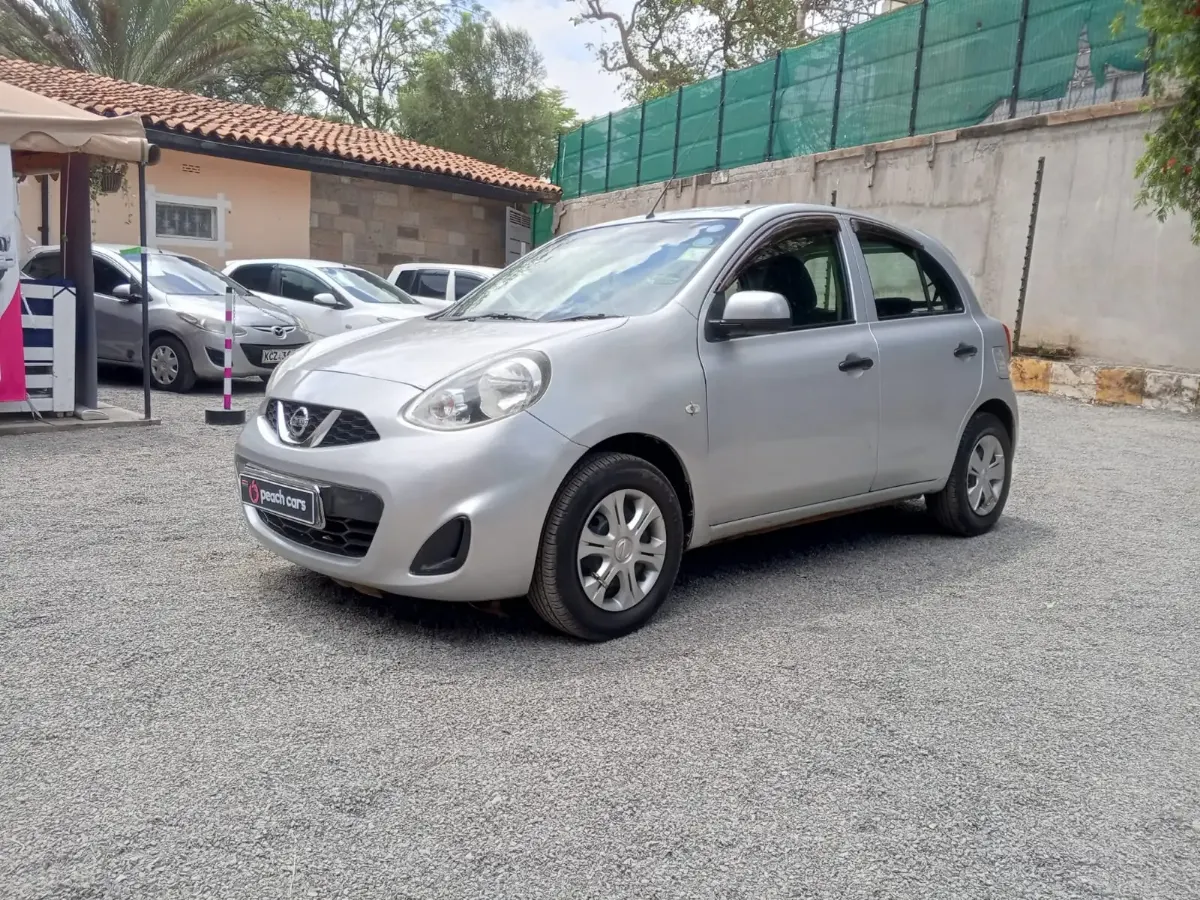
Nissan March New Zealand Buyer Guide: Is This Small Hatchback Worth Buying?
The Nissan March New Zealand Buyer Guide is designed for Kiwi drivers who want a compact, affordable and easy-to-live-with hatchback without overpaying for a fashionable nameplate. Sold in some markets as the Nissan Micra, the March is especially common in New Zealand as a Japanese import hatchback, and most examples on the used market are small five-door petrol cars with automatic transmissions.
The appeal is simple. The used Nissan March is compact enough for tight Auckland parking, light enough to feel economical around town, and generally cheaper than many Toyota Aqua, Honda Fit or Mazda Demio alternatives. However, a cheap asking price should not be the only factor. Buyers need to understand the difference between the K12 and Nissan March K13, the importance of Nissan March CVT transmission condition, the real-world safety limitations of older small cars, and the paperwork requirements around WOF and rego in New Zealand.
Quick Verdict for New Zealand Buyers
A good Nissan March suits drivers who want a tidy runabout more than a sporty or high-tech car. It is best viewed as a practical city car New Zealand option rather than a long-distance family vehicle. Trade Me Motors describes the 2010-2016 generation as a small, basic and reliable hatchback that is very frugal on fuel, with excellent visibility and a very tight nine-metre turning circle. Rightcar lists the 2010-2013 model as a five-seat hatchback with a 1198cc petrol engine and CVT transmission, confirming that many NZ examples are imports.
| Buyer Priority | Nissan March Suitability | What to Check |
|---|---|---|
| City commuting | Strong | Look for smooth CVT behaviour, good tyres and clear service records. |
| First car use | Good, with caution | Compare safety rating and buy the newest, best-equipped example you can afford. |
| Fuel economy | Strong | The K13 is light and economical, but fuel use depends on maintenance and driving style. |
| Family practicality | Moderate | Rear seat and boot space are limited compared with a Honda Fit or Toyota Corolla. |
| Long open-road trips | Acceptable, not ideal | The 1.2-litre engine can feel busy with passengers or luggage. |
| Enthusiast driving | Limited, except Nismo | The Nismo is rarer and dearer, while standard cars prioritise economy. |
Model Overview: K12, K13 and the Nissan Micra NZ Connection
In New Zealand, you will see both Nissan March NZ and Nissan Micra NZ names used. The March name usually refers to Japanese domestic market imports, while Micra is the badge used in several overseas markets. The K12 generation, commonly from the 2000s, has round styling and is often cheaper, while the Nissan March K13 launched in Japan in 2010 and became a popular later import.
For most buyers, the K13 is the sweet spot because it is newer, easier to find with lower kilometres, and commonly available with a 1.2-litre petrol engine. Japanese-import K13 examples generally use a 1.2-litre three-cylinder engine paired with a CVT automatic transmission. That power output is modest, but the March is light, so it performs well enough around town. It is not a car bought for overtaking punch; it is bought for low running costs, easy parking and simple daily transport.
Variants Explained: 12S, 12X, 12G, Bolero and Nismo
The March range can look confusing because many NZ examples are used imports with Japanese-market grade names. The most common versions include Nissan March 12S, Nissan March 12X and Nissan March 12G, while the Nissan March Bolero and Nissan March Nismo are more distinctive alternatives. Equipment varies by year and import specification, so always inspect the exact car rather than relying on the badge alone.
| Variant | Typical Buyer Appeal | Key Notes |
|---|---|---|
| Nissan March 12S | Budget-focused buyers | Usually simpler specification; check safety equipment carefully. |
| Nissan March 12X | Best everyday balance | May include useful efficiency features and, on later cars, stability control depending on year. |
| Nissan March 12G | Better-equipped city car | Often has alloy wheels, climate control or additional trim features. |
| Nissan March Bolero | Style-conscious buyers | Retro-look trim package with distinctive grille and interior details. |
| Nissan March Nismo | Enthusiasts wanting character | Sportier look and suspension; some versions use a 1.5-litre engine. |
| March FOUR | Buyers needing extra traction | AWD versions exist, but they are less common and may cost more to maintain. |
Prices in New Zealand: What Should You Pay?
When searching Nissan March for sale NZ, pricing depends heavily on year, mileage, condition, trim, safety equipment and whether the car is being sold by a dealer or private seller. AutoTrader NZ describes the March as a popular small car in New Zealand and showed examples across regions such as Auckland, Wellington and Canterbury. Older used-car reviews place many 2010-2016 examples in the $6,600 to $11,000 range for vehicles that had travelled 70,000 to 120,000km.
| Price Band | What You May Find | Buyer Advice |
|---|---|---|
| Under $5,000 | Older K12 cars, high-kilometre K13s, private sales | Inspect carefully; budget for tyres, servicing and possible cosmetic repairs. |
| $5,000-$8,000 | Older or average-kilometre K13 examples | This can be good value if the CVT is smooth and paperwork is clean. |
| $8,000-$11,000 | Lower-kilometre K13s or dealer-stock vehicles | Expect better presentation, but still verify service history. |
| $11,000+ | Very low-kilometre cars, Nismo or later imports | Compare against newer alternatives with better safety technology. |
Auckland often has the widest selection because more importers and dealers operate there. Christchurch can offer competitive used-car pricing, while Wellington buyers should pay close attention to hill driving, CVT feel, brake condition and tyres. For a Hamilton commuter car, a March makes sense if most driving is around town or between suburbs, but drivers doing frequent expressway trips may prefer a larger hatchback.
Fuel Economy and Running Costs
The March's strongest selling point is economy. It is a fuel efficient car NZ buyers often consider when petrol prices rise or when a second household vehicle is needed for errands. Trade Me Motors reports claimed fuel economy of 5 litres per 100km for its reviewed K13 March and notes a 41-litre fuel tank. Rightcar estimates the 2010-2013 Nissan March's on-road fuel cost at $2,040 per year based on 14,000km of annual driving and petrol at $2.80 per litre.
Actual Nissan March fuel economy depends on tyre pressure, service history, driving style, traffic and whether the CVT is operating correctly. Short urban trips in Auckland congestion will usually use more fuel than steady suburban commuting in Hamilton or Christchurch. Servicing is also central to low running costs. If there is no proof of CVT fluid maintenance, ask a mechanic whether the fluid condition can be checked before purchase.
Reliability: What Goes Wrong?
Overall Nissan March reliability is generally positive when the car has been maintained properly. The 1.2-litre engine is simple, economical and known for using a timing chain rather than a belt requiring regular scheduled replacement. This helps reduce long-term maintenance anxiety, but it does not mean the car is maintenance-free. Oil changes, coolant condition, spark plugs, tyres, brakes and suspension components still matter.
The main risk area is the Nissan March CVT transmission. Buyers should ensure the transmission operates smoothly and quietly, especially when taking off from a standstill. During a test drive, avoid judging the car only on a five-minute route around a dealer yard. Drive it cold and warm if possible, include low-speed crawling, moderate acceleration, reverse gear, hill starts and a 70-100km/h section.
Buyer tip
A March with a smooth CVT, clean engine oil, matching tyres, tidy interior and clear ownership record is usually a safer purchase than a lower-priced example with vague history and a noisy transmission.
Safety: Rightcar Ratings and Equipment Matter
Safety is where buyers should be realistic. Rightcar gives the 2010-2013 Nissan March a 3-star Vehicle Safety Risk Rating for 2025, based on real-world crash data of similar vehicles from the same year of manufacture. This does not make the March unsafe by default, but it does show that older small hatchbacks generally offer less crash protection than newer cars with stronger structures and advanced driver assistance systems.
Used imports vary, so check the exact car for airbags, ABS, ESC, ISOFIX child seat mounts and tyre condition. For young drivers or families, a newer car with a stronger Rightcar safety rating may be worth paying more for.
Practicality: City Strengths, Small-Car Limits
For everyday urban driving, the March is easy to like. Its tall glass area gives excellent visibility, the body is short, and the tight turning circle makes parking straightforward. This makes it a useful compact car Auckland option where narrow streets, apartment parking and supermarket car parks are part of daily life. In Wellington, the same visibility helps in tight suburbs, although steep hills can make the small engine feel busier.
The limitations are equally clear. Boot capacity and rear-seat width are modest compared with larger hatchbacks. That is fine for one or two people, but if you regularly carry children, sports gear, prams or luggage, a Honda Fit, Toyota Corolla hatch or Nissan Note may be more practical.
New Zealand Buying Checklist
Before buying any used car buyer guide NZ vehicle, New Zealand-specific checks are essential. Both buyer and seller must notify NZTA when a vehicle is bought or sold, and buyers can insist that a light vehicle's WOF is less than one month old. Consumer Protection recommends asking important questions, doing basic checks, taking a test drive, checking vehicle history and paperwork, and getting the vehicle inspected by a professional before purchase.
| Check | Why It Matters for a Nissan March |
|---|---|
| Fresh WOF | Helps reduce the chance of immediate safety-related repair costs. |
| Current rego | Avoids unexpected licensing costs after purchase. |
| Pre-purchase inspection | Gives independent insight into CVT, suspension, brakes and accident repairs. |
| Vehicle history check | Helps identify finance owing, import history, odometer concerns or stolen status. |
| Cold-start test drive | Reveals noises, warning lights and transmission behaviour more clearly. |
| Service records | Confirms oil changes and possible CVT fluid servicing. |
| Tyres and brakes | Small cars are cheap to run, but neglected consumables still add up. |
Should You Buy a Nissan March in Auckland, Wellington, Christchurch or Hamilton?
In Auckland, the March makes sense because selection is broad and the car's compact dimensions suit traffic and parking. In Wellington, prioritise transmission smoothness, brakes and hill performance because steep streets can expose weaknesses quickly. In Christchurch, the March's simple layout, good visibility and economical engine suit flat urban commuting, although buyers should still check suspension and wheel alignment. In Hamilton, it works well for university, work and suburban errands, but regular Waikato expressway use may make a slightly larger hatchback more comfortable.
Final Recommendation
The Nissan March New Zealand Buyer Guide verdict is straightforward: buy one if you want an economical, easy-to-park and affordable small hatchback, but be disciplined about condition. The best March is not necessarily the cheapest March. It is the one with a smooth CVT, documented servicing, current WOF and rego, tidy tyres, working safety equipment and a clean inspection report.
For budget-conscious Kiwi buyers, the K13 March remains a sensible used-car choice. It offers excellent city usability, good fuel economy and plenty of supply in the New Zealand market. Its weaknesses are modest performance, basic interior quality, limited boot space and average safety by modern standards. If those trade-offs suit your driving, a carefully chosen Nissan March can be a smart, low-stress runabout for Auckland, Wellington, Christchurch, Hamilton and smaller centres across Aotearoa.